January 13, 2026
Security
Backup
We’ve all said it: "It’s fine, it’s in the cloud."
While the cloud is great, relying on it alone is a bit like keeping your only spare house key under the front mat. It’s convenient—until it isn't. To truly protect your business, we recommend the 3-2-1 Rule. It’s the simplest way to make sure a glitch doesn't turn into a disaster.
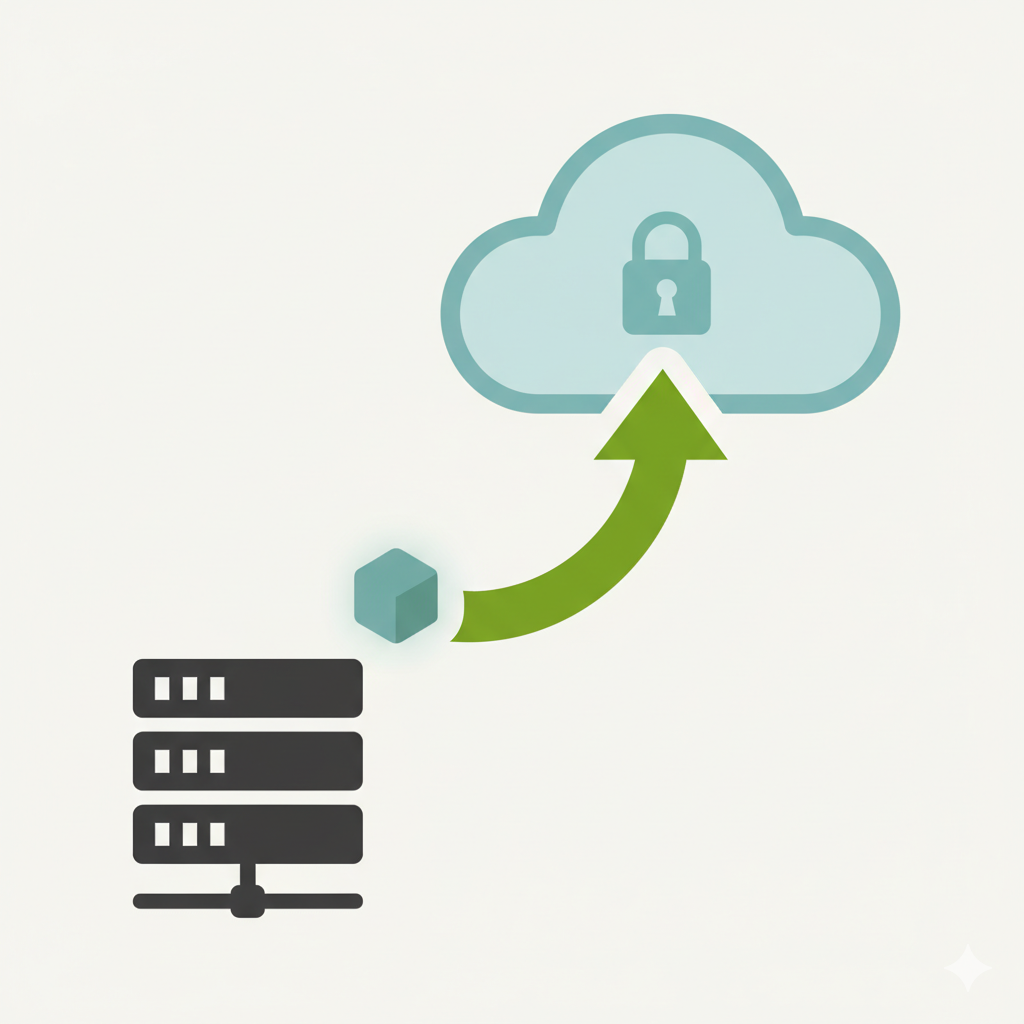
The rule is straightforward: keep 3 copies of your data (your working copy plus two backups), use 2 different media types (like an external drive and a cloud service), and keep 1 offsite location.
While the cloud counts as offsite, many professional organizations utilize secure off-premises vaulting for physical backups. This ensures your data remains safe, disconnected from the network, and ready for recovery even in a worst-case scenario.
Is your business truly resilient? Let’s collaborate to design a custom backup strategy that ensures your data stays protected, no matter what.
April 1, 2025
AI
Data
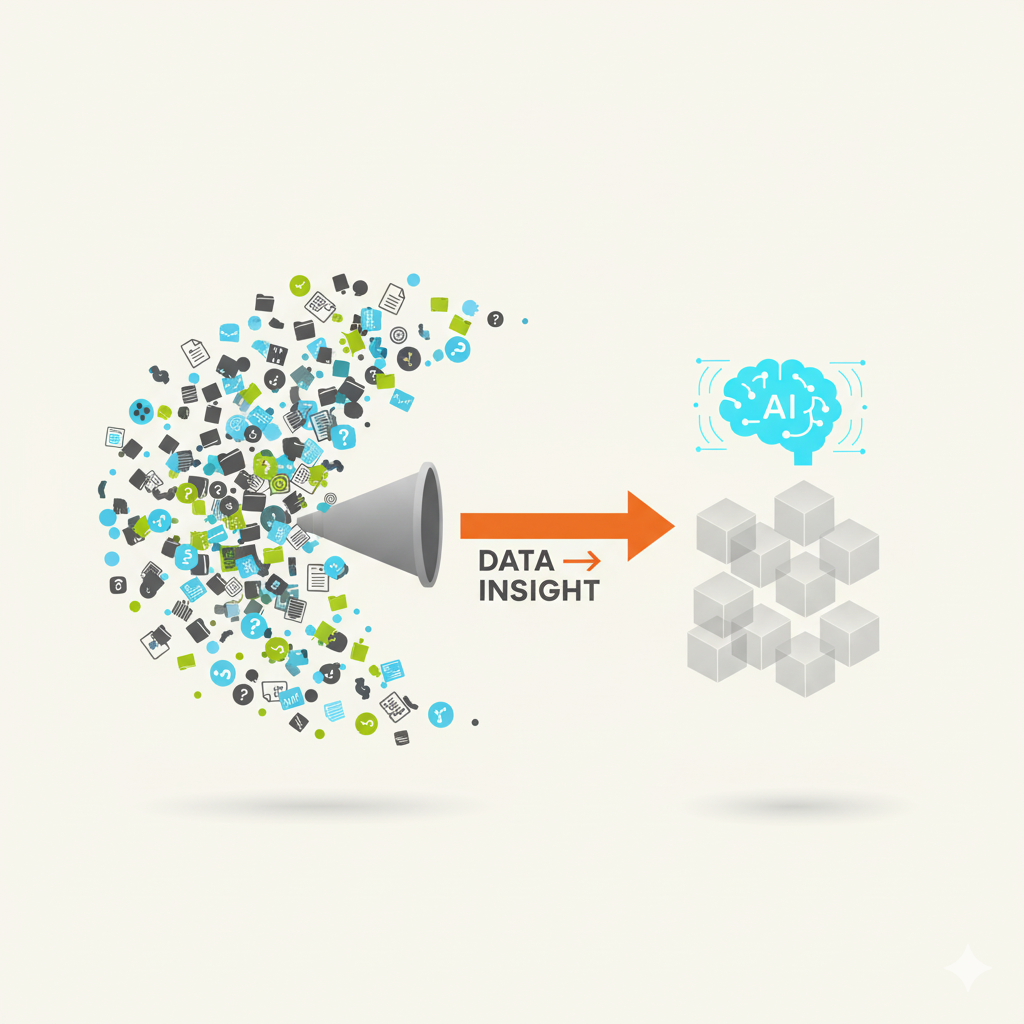
The biggest barrier to adopting AI is messy data—not budget. We recommend starting with a Data Clean-Up Initiative on one system, like your CRM or inventory. Getting this data unified and structured correctly is the zero-cost, high-ROI foundation that ensures any future AI tool, from simple automation to advanced analytics, will deliver accurate, actionable business results.
Here's what data cleanup looks like in practice: pick your most important system (usually CRM or inventory), dedicate 2-4 weeks to standardizing formats, removing duplicates, filling in missing fields, and establishing data entry rules going forward. This isn't exciting work, but it's transformative. Clean data means your AI tools will actually work, your reports will be accurate, and your team will trust the insights they're seeing. Without it, even the most expensive AI platform will give you garbage results from garbage data.
January 11, 2025
AI
Security
The latest AI-powered web browsers promise to make your life easier by acting on your behalf—clicking links, filling forms, booking appointments, and managing routine tasks automatically. But this convenience comes with a hidden risk: these AI agents can't always distinguish between legitimate instructions from you and malicious commands embedded invisibly in websites. Hackers are already exploiting this vulnerability, turning your helpful digital assistant into an unwitting tool for data theft or unauthorized transactions.
The solution isn't to abandon AI tools—it's to implement what we call "agent boundaries." Limit what your AI assistant can do without explicit confirmation: require human approval for financial transactions, restrict access to sensitive systems, and maintain separate "work" and "browsing" environments. Most importantly, ensure your AI tools are enterprise-grade with security controls, not free consumer versions designed for convenience over safety. The goal is to get the productivity benefits of AI agents while maintaining control over your most critical business operations.